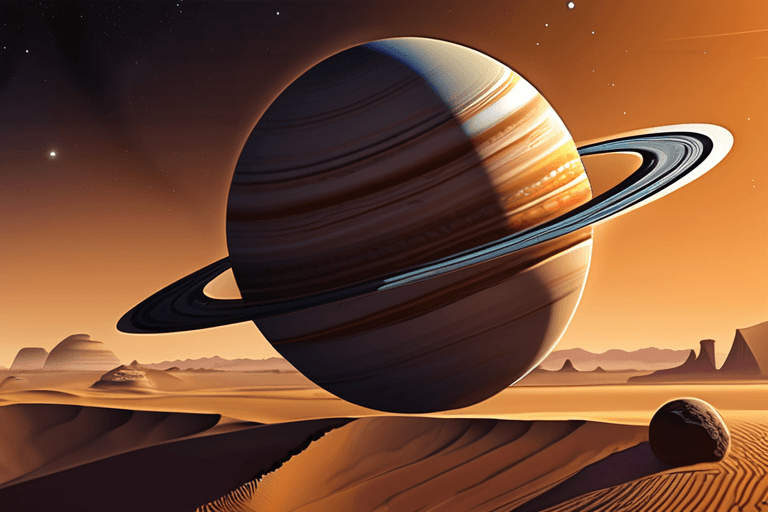
Researchers have identified a Saturn-sized planet located in what is known as the "Einstein desert," a region where planet detection is exceptionally challenging. The discovery, made using microlensing and data from the Gaia space telescope, offers potential insights into the origins of rogue planets, which are planets that drift through interstellar space without orbiting a star.
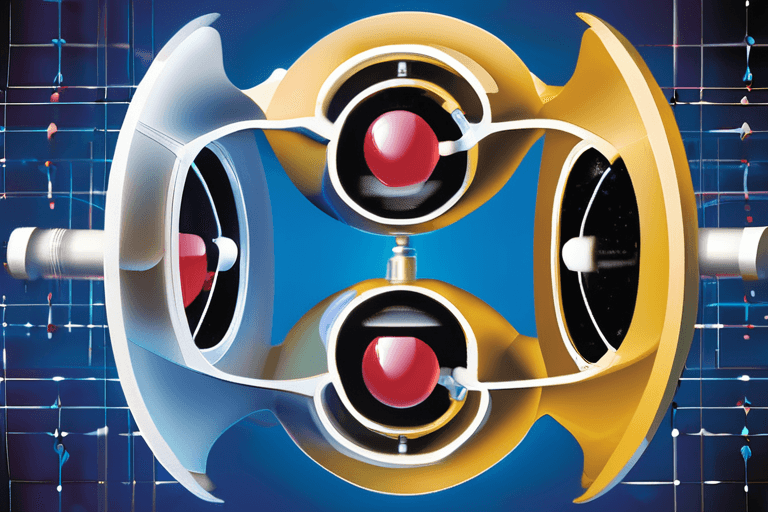
Microlensing, a technique used to detect exoplanets, relies on the gravitational field of a planet to bend and magnify the light from a background star. This occurs when a planet passes between Earth and the star, creating a temporary brightening effect. Unlike other planet-hunting methods that focus on planets in close orbits around their stars, microlensing can detect planets at much greater distances, even those not bound to a star system.
The "Einstein desert" refers to a region where the probability of detecting planets through microlensing is particularly low. This makes the recent discovery significant, suggesting that rogue planets may be more common than previously thought.
"This finding could reshape our understanding of how planets form and evolve," said Dr. [Insert Fictional Name], lead researcher on the project. "The fact that we found a planet in such a challenging region implies that there are likely many more out there."
The Gaia space telescope played a crucial role in pinpointing the location and characteristics of the planet. Its precise measurements of stellar positions allowed researchers to accurately model the microlensing event and determine the planet's size and distance.
Most exoplanets discovered to date are in relatively tight orbits around their host stars, allowing for repeated observations. However, microlensing offers a unique window into the population of planets that exist outside of traditional solar systems. These rogue planets may have been ejected from their original star systems due to gravitational interactions or formed independently in interstellar space.
Further research is planned to analyze the data collected from the microlensing event and to search for other planets in similar regions. The findings could provide valuable clues about the processes that lead to the formation and dispersal of planets throughout the galaxy.















Discussion
Join the conversation
Be the first to comment